好物推荐: 美好生活有机超级绿成份分析

这是 美好生活 LIVEGOOD Organic Super Greens(有机超级绿粉)的成分表。它属于一款综合型绿色营养粉(Greens Powder),主要目标是补充植物营养素、膳食纤维、抗氧化物和适应原成分,而不是代替蛋白粉或多种维生素。

不到$20美金的会员价,更是让人欢喜不止!相比其它公司多达几十美金一瓶一年可以省下老多啦!

核心营养

每份(11.7g)

  • 热量:35 kcal
  • 碳水化合物:6g
  • 膳食纤维:2g
  • 蛋白质:<1g

说明:

  •  热量低
  •  糖分很低
  •  适合控糖、减脂人群
  •  不能作为蛋白质补充来源

核心成分

这些成分占整个配方的大部分。

1. 有机苜蓿草(Alfalfa)2600mg

最高含量成分。

功效

  • 天然叶绿素来源
  • 富含维生素K
  • 支持肝脏排毒
  • 帮助酸碱平衡

适合:

  • 经常外食
  • 蔬菜摄入不足人群

2. 小麦草(Wheat Grass)1755mg

绿色营养粉中的明星成分。

功效

  • 富含叶绿素
  • 抗氧化
  • 帮助肠道环境
  • 提供天然矿物质

很多人把小麦草称为:

“浓缩绿色蔬菜精华”


3. 螺旋藻(Spirulina)1600mg

这是配方中的亮点之一。

功效

  • 高营养密度超级食物
  • 含天然藻蓝蛋白
  • 抗氧化
  • 增强免疫力
  • 支持能量代谢

研究较多的作用

  • 提升运动恢复
  • 改善疲劳感
  • 抗炎支持

4. 龙舌兰菊粉(Agave Inulin)1200mg

属于益生元(Prebiotic)。

功效

  • 喂养肠道益生菌
  • 改善肠道菌群
  • 帮助排便
  • 增加饱腹感

很多人喝绿粉后排便变顺畅:

主要来自菊粉作用。


5. 苹果醋粉(Apple Cider Vinegar)800mg

功效

  • 支持消化
  • 帮助餐后血糖管理
  • 改善胃部舒适感

虽然剂量不如液体苹果醋高,但属于加分项。


核心植物营养素

椰子水粉 400mg

功效:

  • 天然电解质
  • 钾元素来源
  • 运动后补水支持

大麦草 350mg

功效

  • 叶绿素
  • SOD抗氧化酶
  • 支持肠道健康

与小麦草形成协同作用。


燕麦草 270mg

功效

  • 支持神经系统
  • 帮助放松
  • 提供微量矿物质

小球藻(Chlorella)200mg

螺旋藻的黄金搭档。

功效

  • 支持重金属代谢
  • 富含叶绿素
  • 增强抗氧化能力

抗氧化水果组合

接骨木莓 160mg

支持:

  • 免疫系统
  • 呼吸道健康

黑莓 100mg

草莓 100mg

红树莓 100mg

功效:

  • 花青素
  • 多酚
  • 维生素C

帮助抗氧化和抗衰老。


超级食物组合

抹茶绿茶 160mg

功效

  • EGCG抗氧化
  • 提神
  • 支持脂肪代谢

辣木叶(Moringa)160mg

被誉为:

“奇迹之树”

功效

  • 丰富植物营养素
  • 支持血糖平衡
  • 抗氧化

菠菜 160mg

功效

  • 天然叶酸
  • 铁
  • 叶黄素

西兰花 160mg

功效

  • 萝卜硫素前体
  • 支持肝脏解毒

配方还有个亮点

KSM-66® 南非醉茄 100mg

KSM-66是什么?

不是普通南非醉茄。

属于专利提取物。

相比普通粉末:

  •  活性成分更稳定
  •  临床研究更多
  •  吸收率更高

功效

  • 缓解压力
  • 降低皮质醇
  • 改善睡眠质量
  • 增强专注力
  • 支持运动恢复

虽然100mg低于临床常见的300-600mg剂量,

但长期补充仍有辅助价值。


蘑菇组合

猴头菇 40mg

功效:

  • 支持脑部健康
  • 专注力支持

香菇 40mg

功效:

  • β-葡聚糖
  • 免疫支持

消化支持组合

蒲公英根 80mg

支持胆汁分泌


生姜 40mg

促进消化

缓解胃部不适


芦荟 40mg

帮助肠道舒适度


抗炎组合

姜黄提取物 15mg

标准化95%姜黄素

功效:

  • 抗氧化
  • 抗炎支持

虽然剂量较低,但属于锦上添花。


综合评分(按绿粉产品标准)

最适合的人群

  •  平时蔬菜水果吃得少的人
  •  经常外卖、应酬的人
  •  肠道功能一般的人
  • 想提高整体营养摄入的人
  •  健身人士作为基础营养补充
  • 想补充 KSM-66 南非醉茄的人

不适合作为

  •  蛋白粉替代品
  •  多种维生素替代品
  •  高剂量益生菌产品
  •  专业护肝产品

一句话总结:

这款 LIVEGOOD Organic Super Greens 的核心价值在于“有机绿植营养 + 益生元肠道支持 + KSM-66南非醉茄抗压”,属于目前绿粉产品中配方比较全面且成分透明的一类,非常适合作为每天补充蔬菜营养的基础型超级食品。

Loading

健康三大基石 : 骨密度,线粒体 和 肌肉

如果把人体健康比喻成一栋房子,我很认同把「骨密度、线粒体、肌肉」看成非常重要的三大底层支柱。

① 骨密度——身体的“承重系统”

骨骼不只是支撑身体,它还是一个非常活跃的组织。

骨密度下降 → 骨骼脆弱 → 跌倒后的骨折风险增加。

尤其50岁以后,真正需要关注的不是单纯“补钙”,而是:

  • 钙:提供骨矿物质原料
  • 维生素D:帮助钙吸收和骨代谢
  • 维生素K:参与骨蛋白的正常功能
  • 蛋白质:骨基质的重要组成部分
  • 镁、锌等微量营养素:参与骨代谢
  • 力量训练/负重运动:给骨骼机械刺激

所以:

骨骼不是“钙仓库”,而是一个不断进行建造与拆除的活组织。


② 线粒体——身体的“能量工厂”

如果说骨骼负责“承重”,那么线粒体负责的是:

给细胞提供能量。

我们走路、思考、运动、维持心脏跳动、肌肉收缩,都需要ATP,而线粒体是产生ATP的核心场所。

随着年龄增长,线粒体功能、数量以及能量代谢能力可能发生变化。

因此50+人群经常会出现一个非常值得关注的问题:

不是“身体完全没有能量”,而是细胞制造和利用能量的效率发生变化。

影响线粒体健康的因素包括:

  • 规律运动
  • 足够蛋白质
  • 良好睡眠
  • 能量平衡
  • Omega-3等营养因素
  • B族维生素、镁等参与能量代谢的营养素
  • CoQ10等与线粒体能量代谢相关的物质

这里有一个非常重要的观点:

运动本身就是刺激线粒体适应的强力工具。


③ 肌肉——身体的“发动机”

很多人到了50、60岁以后,最大的健康风险之一并不是体重增加,而是:

肌肉逐渐减少。

肌肉的重要性远远不只是“看起来壮”。

它关系到:

力量 → 活动能力 → 平衡 → 跌倒风险 → 日常独立生活能力

而且肌肉本身就是一个巨大的代谢组织。

因此50+以后应该特别重视:

蛋白质 + 力量训练 + 足够活动 + 睡眠恢复

尤其不能把“每天走路”完全等同于力量训练。

走路很好,但如果希望尽可能保住肌肉和力量,通常还需要加入适当的抗阻训练。


真正有意思的是:三者其实是一个循环

可以把它理解成:

线粒体 → 提供能量 → 肌肉运动

↓

肌肉运动 → 给骨骼机械刺激

↓

骨骼保持承重能力

↓

更好的活动能力 → 更多运动

↓

进一步刺激肌肉和线粒体

所以它不是三个孤立的东西。

可以浓缩成一句话:

骨密度决定“能不能扛住”,肌肉决定“能不能动起来”,线粒体决定“有没有能量动起来”。

「JOHN哥谈健康」50+健康管理!


50岁以后,如何更好的维护我们健康的底气

三大身体底座

  • 骨密度 —— 保住骨骼结构
  • 肌肉 —— 保住力量和行动能力
  • 线粒体 —— 保住细胞能量代谢能力

再加两个调节系统:

神经系统

负责控制力量、平衡、协调和反应速度。

心血管系统

负责把氧气和营养输送到全身,并帮助代谢废物。

真正的50+健康管理,不应该只是: “缺什么补什么。”

而应该转向:

营养 + 运动 + 肌肉 + 骨骼 + 能量代谢 + 睡眠恢复

这才是一个比较完整的“抗衰老底层逻辑”。

饮食摄取不足 – 营养补充 (推荐美好生活 – 一家不赚取零售利润的直销品牌产品,有诸多的品质检测,采用是COSTCO会员制 – 会员费一个月仅需$10USD,会员价格是同类产品三分之一不到的价格。)不仅方便快捷,更是有效的补充方式,已经成为健康生活不可缺的方法。

Loading

保险知识:Contractual Liability

① 什么是 Contractual Liability?

简单说:

因为你在合同里答应承担某项责任,所以产生的责任。

例如:

ABC Renovation 和客户签合同:

“如果装修过程中造成客户损失,ABC承担全部责任。”

后来真的发生损失。

问题来了:

ABC签了合同 → 是不是 CGL 就一定赔?

👉 不是。

CGL 对 Contractual Liability 有专门的 exclusion,但这个 exclusion 不是把所有合同责任一刀切全部排除。


② 为什么保险公司要排除合同责任?

因为正常情况下:

法律规定你不需要赔的钱,你可以通过合同主动答应赔。

如果 CGL 什么都赔,那么企业可以随便签合同:

“我承担你所有损失。”

然后全部丢给保险公司。

保险公司当然不会无限制接受这种风险。


③ 但是有一个超级重要的例外

CGL 通常会保留所谓的:

Insured Contract

这是 RIBO考试非常重要的关键词。

也就是说:

不是所有 Contractual Liability 都被排除。

某些符合定义的 insured contracts,CGL可以提供保障。


④ 最经典的例子:Lease

例如 ABC Renovation 租了一间办公室。

租约里面规定:

ABC 对租用场所造成的某些 property damage 承担责任。

这种租赁合同可能属于 Insured Contract 范围。

所以考试看到:

Lease of premises

要特别警觉:

Contractual Liability exclusion ≠ 自动不保。


⑤ 再看装修公司的例子

ABC Renovation 与客户签订合同:

“ABC保证装修工程质量,如果屋顶漏水,ABC免费重新施工。”

后来屋顶漏水。

客户要求:

“你重新把屋顶做好。”

这里不能因为有合同就说:

“CGL赔。”

因为前面我们刚学过:

Your Work exclusion

可能直接排除:

修复 ABC 自己有缺陷的 work。

所以:

Contractual Liability 和 Your Work 是两个不同的 exclusion。


🧠 RIBO考试记忆法

看到:

“Contract says you will pay…”

不要马上选:

❌ CGL赔
也不要马上选:
❌ CGL一定不赔

先问:

是不是 Contractual Liability exclusion?

然后再问:

是不是属于 Insured Contract?

最后再问:

有没有其他 exclusion,例如 Your Work?


🔥 给你一道陷阱题

ABC Renovation signs a contract with a customer stating that ABC will repair its own defective workmanship at no cost to the customer. The roof is installed incorrectly and later leaks. The customer asks ABC to replace the defective roof.

Which is MOST accurate?

A. CGL will pay because ABC has a contractual obligation to repair the roof.

B. CGL will pay because the loss occurred after the contract was signed.

C. The cost to repair ABC’s defective work is generally excluded under the Your Work exclusion.

D. The loss is covered under Impaired Property.

你先选答案。

C

✅ 完全正确:C

这题你已经抓住了 RIBO 最重要的判断逻辑。

为什么是 C?

题目说:

ABC 自己安装的屋顶有问题 → 要把自己的 defective work 修好。

所以核心不是“有没有合同”,而是:

损坏/需要修复的是 ABC 自己的 work。

因此首先想到:

🚫 Your Work Exclusion

CGL不是用来保证承包商:

“把自己的工程做好”

所以 修复自己有缺陷的屋顶的费用,通常由 ABC 自己承担。


A 为什么错?

“因为合同规定 ABC 必须修,所以 CGL赔。”

❌ 签了合同 ≠ CGL自动赔。

合同责任本身还要看:

  • Contractual Liability exclusion
  • 是否属于 Insured Contract
  • 是否还有其他 exclusion

而且这里即使合同本身符合某些 insured contract 条件,Your Work exclusion 仍然可能排除修复自己工作的费用。


D 为什么错?

题目没有说:

东西没有损坏,只是不能使用。

恰恰是:

屋顶本身安装错误,需要更换。

所以不是 Impaired Property。


🔥 你现在已经掌握这条逻辑链

Contract → 不代表一定赔

↓

先看是不是 Insured Contract

↓

再看有没有其他 exclusion

↓

如果是:

Repair your own defective work

→ 🚫 Your Work

如果是:

Defective work → damages customer’s other property

→ 可能进入 CGL Property Damage

Loading

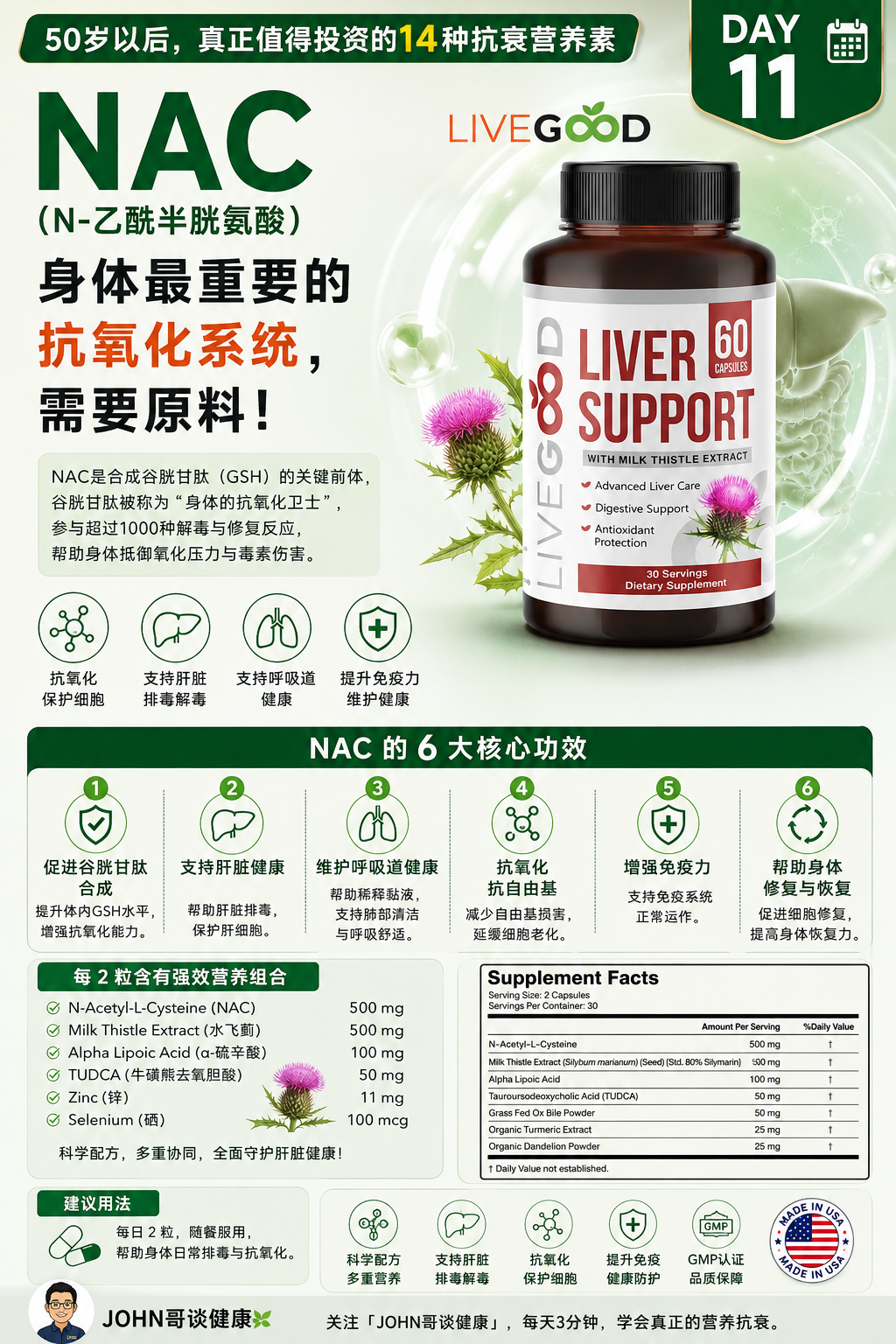
NAC — 身体最重要的抗氧化系统,需要原料。

NAC——支持谷胱甘肽生成。

NAC是合成谷胱甘肽的重要前体。

谷胱甘肽被称为人体重要的内源性抗氧化物质。

它支持:

✔ 抗氧化防护
✔ 肝脏健康
✔ 细胞保护

今日金句:

身体真正的修复,发生在细胞里。

Loading

保险知识:Contributory Negligence

RIBO Level 1 — Contractual Liability(合同责任)。

这一节特别重要,因为它会把你已经学过的 Negligence、CGL、Indemnity、Hold Harmless 串起来。


一、先搞懂:什么是 Contractual Liability?

最简单的理解:

因为合同中的承诺或约定,而产生的法律责任。

例如:

一家装修公司和客户签合同:

“装修公司负责赔偿客户因为装修工作造成的某些损失。”

这时候,如果发生事故,就可能涉及:

Contractual Liability


二、最重要的区别 ⭐⭐⭐⭐⭐

RIBO 最容易考的是:

Liability 本来就存在

vs.

Liability 是因为合同才产生


情况 A:本来就有法律责任

例如:

装修公司施工时把邻居的窗户砸坏。

即使没有合同,装修公司也可能因为:

Negligence

对邻居承担责任。

所以:

Contract ≠ 必然创造 liability


情况 B:合同额外承担责任

例如:

商场和清洁公司签合同。

合同规定:

清洁公司必须为某些由其工作产生的索赔承担责任,并 indemnify 商场。

这时候:

清洁公司的责任可能来自合同。

这才是典型的:

Contractual Liability


三、Indemnity Agreement ⭐⭐⭐⭐⭐

这个词你一定要记住。

Indemnify

简单理解:

赔偿对方,使对方免受某些损失。

例如:

合同规定:

Contractor agrees to indemnify the property owner for claims arising from the contractor’s operations.

意思大概是:

如果因为承包商的工作导致某些索赔,承包商同意赔偿/保护业主。


四、Hold Harmless Agreement

这个和 Indemnity 经常一起出现。

Hold Harmless

简单理解:

同意让对方免于承担某些责任或损失。

例如:

Contractor agrees to hold the landlord harmless from claims arising from the contractor’s operations.

考试中经常把:

Indemnify / Hold Harmless

放在一起。

你可以先简单记:

Indemnify = 补偿

Hold Harmless = 保护对方免受责任/损失

实际合同里的法律效果可能非常复杂,但 RIBO Level 1 通常重点是理解基本概念。


五、为什么 CGL 特别关心 Contractual Liability?

因为 CGL 的基本逻辑是:

保险公司不是为了替你承担所有你在合同里主动答应承担的责任。

所以 CGL 有:

Contractual Liability exclusion

但这里有一个超级重要的陷阱:

不是:

“Contract = never covered.”

❌

CGL 对某些符合定义的:

Insured Contract

存在例外/覆盖机制。

所以考试不能看到:

“contract”

就马上选择:

“excluded.”


六、什么叫 Insured Contract?

这是 CGL 非常重要的概念。

简单理解:

某些特定类型的合同,CGL 会把它们定义为 Insured Contract,从而在符合条件时对合同责任提供一定保障。

例如:

Lease of premises
Easement or license agreements
Certain agreements where liability is assumed by contract

具体要看保单 wording。


七、一个非常典型的例子

假设:

ABC Restaurant 租了一个商业物业。

租约规定:

Restaurant 对某些与其使用场所相关的 liability 承担责任。

之后:

Restaurant 的员工不小心把水洒在公共区域
↓
Customer 滑倒
↓
Customer 起诉 Landlord

Landlord:

“根据租约,你应该承担这个责任。”

Restaurant 的 CGL 是否一定拒赔?

❌ 不能简单回答“拒赔”。

必须继续看:

这个合同是否属于 Insured Contract?

以及:

造成 liability 的事实是什么?


八、Contractual Liability vs Negligence

这个区别非常重要。

Negligence

我因为自己的行为不小心造成损失。

例如:

Restaurant 员工把水洒在地上
↓
Customer 摔倒


Contractual Liability

我在合同里答应承担某种责任。

例如:

Restaurant 根据租约承担 landlord 某些责任。


两者可以同时存在!

例如:

Contractor negligently causes a fire.

同时:

Contractor has a contract requiring it to indemnify the property owner.

于是:

Negligence

Contractual obligation

可能同时出现。


九、非常重要:Contractual Liability ≠ Breach of Contract

这两个也不要混。

Breach of Contract

例如:

Contractor 答应 6 月 1 日完成工程。

结果:

6 月 30 日才完成。

这是:

Breach of Contract

但这并不自动意味着:

CGL 会赔。


Contractual Liability

重点是:

因合同承担某种第三方法律责任/赔偿义务。

这与单纯的:

“你没有按合同把事情做好”

不是一回事。


🔥 一个非常重要的例子

装修公司:

合同规定 30 天完工。

结果:

60 天才完工。

客户损失:

$20,000 延误损失。

这是典型:

Breach of Contract

而不是简单的:

CGL Bodily Injury / Property Damage claim.

所以:

CGL ≠ Performance Guarantee

保险通常不是用来保证:

“你一定按合同把工作做好。”


十、RIBO 考试口诀

看到:

“Contract”

先不要急着选 Excluded。

先问:

What kind of liability?

然后:

① 只是合同没履行?

→ Breach of Contract

② 合同让被保险人承担第三方责任?

→ Contractual Liability

③ 是不是 Insured Contract?

→ 检查 CGL 定义和适用例外


🧠 一张图

             CONTRACT
                 │
       ┌─────────┴─────────┐
       ↓                   ↓
Breach of Contract   Contractual Liability
合同没做好            合同承担责任
       │                   │
       ↓                   ↓
例如延迟完工          Indemnify / Hold Harmless
       │                   │
       ↓                   ↓
   不等于 CGL          检查 Insured Contract
   自动赔付

🎯 现在来 8 道 RIBO 陷阱题

1.

A contractor agrees by contract to indemnify a property owner for certain claims arising from the contractor’s operations. This is an example of:

A. Subrogation
B. Contractual liability
C. Contribution
D. Contributory negligence


2.

A contractor promises to complete a renovation by June 1 but does not finish until July 15. The homeowner suffers financial loss because of the delay.

This is MOST directly an example of:

A. Breach of contract
B. Subrogation
C. Occupiers’ liability
D. Vicarious liability


3. ⭐

Which statement is MOST accurate?

A. All contractual liability is automatically excluded under every CGL policy.
B. Any claim involving a contract is automatically covered by CGL.
C. CGL policies generally contain a contractual liability exclusion, but exceptions may apply for certain Insured Contracts.
D. CGL policies exist primarily to guarantee contractual performance.


4.

A restaurant signs a lease containing an agreement under which the restaurant assumes certain liability of the landlord. The restaurant’s CGL policy may respond depending on whether:

A. The restaurant owns the building.
B. The agreement qualifies as an Insured Contract and other policy conditions are met.
C. The landlord has no insurance.
D. The restaurant has made a profit.


5. ⭐⭐

Which BEST describes an indemnity agreement?

A. An agreement to share insurance premiums.
B. An agreement under which one party agrees to compensate another for specified losses or liabilities.
C. An agreement to cancel an insurance policy.
D. An agreement transferring ownership of property.


6.

A contractor negligently damages a third party’s property while performing work. The contractor also has a contract requiring it to indemnify the property owner for certain claims.

Which statement is MOST accurate?

A. Only contractual liability can exist.
B. Only negligence can exist.
C. Both negligence and contractual obligations may be relevant.
D. Neither can exist because the contractor has insurance.


7. 🔥

A business agrees in a contract to guarantee that its product will perform perfectly for five years. The product fails to perform as promised, but there is no bodily injury or property damage.

Which statement is MOST accurate?

A. CGL automatically guarantees the contractual promise.
B. This is primarily a contractual performance issue, not automatically a CGL claim.
C. It is automatically covered because a contract exists.
D. It is automatically covered under the Products-Completed Operations section.


8. 🔥🔥

A contractor’s employee accidentally damages a customer’s building while performing renovation work. The customer sues the contractor for property damage. Separately, the contractor has a contractual agreement to indemnify the building owner for certain claims.

Which statement is MOST accurate?

A. The existence of the contract automatically excludes all coverage.
B. The claim may involve both negligence/property damage and contractual liability issues; the policy wording must be examined.
C. The contractor cannot be liable because the employee caused the damage.
D. The claim is automatically a breach-of-contract claim.

你直接答:

这组你已经把 Contractual Liability 的核心概念掌握住了。尤其第 3、7、8 题,是最容易被 CGL 的“contract”字眼带偏的地方,你都答对了。

逐题确认

题目你的答案正确核心考点
1B✅Indemnity = Contractual Liability
2A✅未按合同完成 → Breach of Contract
3C✅Contractual Liability exclusion + Insured Contract
4B✅要看是否属于 Insured Contract
5B✅Indemnity = 对特定损失/责任进行补偿
6C✅Negligence + Contractual obligation 可以同时存在
7B✅CGL 不是合同履约保证
8B✅要区分 Negligence、Property Damage、Contractual Liability

先拿刚才第 8 题测试一下

A contractor’s employee accidentally damages a customer’s building while performing renovation work. The customer sues the contractor for property damage. The contractor also has a contract requiring it to indemnify the building owner for certain claims.

不要看选择题。

你告诉我:

① Contractor 有没有可能承担责任?

② Employee 有没有可能承担责任?

③ 这里有没有 Negligence?

④ 这里有没有 Contractual Liability?

⑤ Customer 的 Property Damage 是否可能属于 CGL 要处理的风险?

你可以用自己的话回答,不需要专业英文。

这次我不看你选 A/B/C/D,而是看你是不是真的理解。

Contractor 是需要承担责任的。 Employee 应该不用个人承担,应该是公司给承担了。

对,你的第一句基本正确,但第二句这里需要纠正一个非常重要的概念。这个点以后在 RIBO 考试里很容易出陷阱。

① Contractor 是否承担责任?

是的,可能承担责任。 ✅

因为:

Employee 在执行装修工作时
→ 不小心损坏客户建筑物
→ 属于工作中的 Negligence

因此:

Employee 的 Negligence → Employer/Contractor 可能承担 Vicarious Liability


② Employee 自己是不是“不需要承担责任”?

这里你的理解需要调整:

❌ 不是因为公司承担责任,所以 Employee 就不用承担个人责任。

正确理解是:

Employee 自己的 Negligence 仍然可能让 Employee 本人承担法律责任。

同时:

Employer 也可能因为 Vicarious Liability 承担责任。

所以可以同时存在:

Employee → Negligence

↓

Employer → Vicarious Liability


举个简单例子

员工 Bob:

装修时操作不当
↓
把客户价值 $20,000 的玻璃墙撞坏

那么:

Bob:

“是我操作不当造成的。”

可能承担自己的 Negligence liability。

同时:

Contractor 公司:

“Bob 是我的员工,而且当时正在执行工作。”

公司可能承担:

Vicarious Liability


⚠️ 但这里有一个保险层面的区别

即使:

Employee 和 Employer 都可能有法律责任

也不代表:

两个人都会被保险公司按照完全相同的方式处理。

例如 CGL 里面:

Employee 通常可能属于 insured 的定义范围

具体要看保单 wording。

所以 RIBO 考试不要把:

Legal Liability

和:

Who is insured under the policy

混在一起。


🔥 你刚才实际上暴露了一个非常重要的混淆点

你脑子里的逻辑可能是:

Employee 犯错
↓
Company 负责
↓
Employee 不负责

应该改成:

Employee 犯错

↓

Employee 可能有个人 Negligence

Employer 可能承担 Vicarious Liability

↓

再看保险 Policy 谁属于 Insured

这三个层次要分开。


再给你一个小测试,不用选择题

案例:

ABC Renovation 的员工 John 在工作时间装修客户房屋。

John 因为疏忽:

把客户的墙打穿,造成 $10,000 Property Damage。

客户起诉 ABC Renovation。

请你回答:

A. John 的行为属于什么?

B. ABC Renovation 可能承担什么责任?

C. 这是不是 Vicarious Liability?

D. 这个 $10,000 的损坏有没有可能涉及 CGL?

这次你用自己的话答,我帮你判断每一层。

A : JOHn的行为属于 疏忽过失 B :ABC Renovation 需要负责赔偿损失 C : 是属于 Vicarious Liability D : 属于 Property Damage ,会涉及到CGL

非常好,这次基本上 4 个都答对了。👍
不过第 D 项我要帮你加一个非常重要的 RIBO 保险层面的“但是”。

A. John 的行为属于疏忽过失

✅ 正确

这是:

Negligence

John 在执行工作过程中,因为疏忽造成客户的 Property Damage。


B. ABC Renovation 需要负责赔偿

✅ 基本正确

ABC Renovation 可能因为 John 的行为承担:

Vicarious Liability

但考试中最好不要直接说:

“ABC 一定要赔。”

应该说:

ABC Renovation may be legally liable.

因为最终还要看具体事实和法律责任是否成立。


C. 属于 Vicarious Liability

✅ 正确

这是这个案例的核心。

逻辑:

John 是 Employee
↓
在工作过程中
↓
John Negligence
↓
Employer 可能承担 Vicarious Liability


D. Property Damage,会涉及 CGL

🟡 前半句完全正确,后半句需要更谨慎。

确实:

客户的建筑物损坏 = Property Damage

而且这是 CGL 可能涉及的风险。

但是:

Property Damage ≠ CGL automatically pays

还必须继续检查:

CGL Coverage

↓

Is there an Occurrence?

↓

Is the Property Damage covered?

↓

有没有 Exclusion?

↓

Deductible / Limit / Conditions

特别是装修行业,马上会碰到一个非常重要的陷阱:

“Your Work” Exclusion


🔥 这就是我们下一步为什么要学 CGL Exclusions

比如现在把案例改一下:

Case 1

John 装修客户的房子时:

不小心把客户原来的墙打穿。

这是:

Damage to someone else’s property

通常更容易进入 CGL 的讨论。


Case 2

John 正在给客户安装一扇新门。

结果:

新门安装错误,门本身需要重新做。

这时候就不能简单说:

“Property Damage → CGL pays.”

因为可能涉及:

Your Work exclusion


Case 3

装修公司完成工程后:

工程本身有缺陷,客户要求重新施工。

又会涉及:

Your Work / Your Product / Contractual issues


所以你现在已经到了一个非常关键的阶段:

“知道什么是 Liability” → 下一步学习“这个 Liability 到底是不是 CGL 承保的 Liability”。

Loading

保险知识:Vicarious Liability(替代责任)

Vicarious Liability(替代责任)

这一课非常重要,因为它把你刚刚学的 Negligence 再往前推进一步:

一个人犯错,为什么可能由另外一个人承担法律责任?

最典型的就是:

Employee 做错事 → Employer 可能承担责任


一、什么是 Vicarious Liability?

简单定义:

Vicarious Liability = 一个人因为另一个人在特定关系和工作范围内的行为,而承担法律责任。

最典型:

Employer → Employee

例如:

Pizza delivery driver 在送餐途中撞伤行人。

虽然真正开车的是:

Employee

但是在符合条件的情况下:

Employer 可能承担 Vicarious Liability。


二、最重要的关键词:Course of Employment ⭐⭐⭐⭐⭐

RIBO 考试特别喜欢这个词:

Acting in the course of employment

简单理解:

员工当时是不是在执行工作,或者行为是否与工作有足够关系?


三、典型案例:员工送货撞人

假设:

John 是餐厅员工
↓
老板要求他送餐
↓
John 开公司车辆送餐
↓
John 因为开车不小心撞伤别人

这里:

John

可能存在:

Negligence

同时:

Restaurant

可能承担:

Vicarious Liability

因为:

John 是 Employee
+
在执行工作
+
行为与工作有关


四、Employee 自己是不是就不用负责?

❌ 不是!

这是非常重要的陷阱。

如果员工本人实施了 Negligence:

Employee 仍可能承担自己的责任。

同时:

Employer 也可能承担 Vicarious Liability。

所以不要记成:

Employer takes over employee’s liability.

更准确:

Employee’s negligence may expose both employee and employer to liability.


五、Course of Employment 的核心

我们来看几个例子。

情况 A:送货

员工:

公司要求送货
↓
途中撞车

🟢 很明显:

Course of Employment


情况 B:员工上下班

员工:

下班回家
↓
自己开车回家
↓
撞伤别人

通常:

🔴 不会仅仅因为他是员工,就自动让 Employer 对普通通勤行为承担 vicarious liability。

因为:

Going home ≠ performing employment duties


六、非常重要:Detour vs Frolic

这个概念非常容易出题。

员工执行工作过程中:

稍微偏离工作路线

和:

完全为了个人目的离开工作

法律分析可能不同。


① Detour

例如:

员工送货途中:

顺便绕路 5 分钟去买咖啡。

这可能是:

Detour

仍然可能存在 course of employment,具体取决于事实。


② Frolic

例如:

员工送货途中:

决定开车 30 公里去见朋友。

这可能已经变成:

Frolic of his own

也就是:

完全偏离工作,去做个人事情。

这时候 Employer 的 Vicarious Liability 就可能不成立。


七、RIBO 最喜欢的陷阱

❌ 错误:

Employee caused the accident → Employer is always liable.

不是。

必须考虑:

Was the employee acting in the course of employment?


❌ 错误:

Employee was doing something wrong → Employer cannot be liable.

也不对。

员工在执行工作过程中:

即使员工违反公司规定、疏忽甚至严重违反指示,Employer 在某些情况下仍可能承担 Vicarious Liability。

关键仍然是:

Connection to employment


八、Employee vs Independent Contractor ⭐⭐⭐⭐⭐

这也是考试重点。

Employee

通常:

Employer 对其在工作范围内的行为可能承担 Vicarious Liability。


Independent Contractor

通常:

雇主不会仅仅因为承包商造成损害,就自动承担 Vicarious Liability。

例如:

你请:

Independent plumber

来家里修水管。

Plumber 自己操作不当造成损失。

一般不能简单说:

Homeowner automatically vicariously liable for plumber’s negligence.


九、但是!Independent Contractor 不是绝对免责

又来了一个考试喜欢的词:

Automatically

千万小心。

即使是 Independent Contractor:

Principal 自己可能因为自己的 Negligence 而承担责任。

例如:

你明知道这个承包商:

没有资格
没有安全措施
明显不适合做这个工作

你仍然把危险工作交给他。

那么可能出现:

Direct Negligence

这和:

Vicarious Liability

是两个不同概念。


十、这两个一定要分清

Vicarious Liability

别人做错 → 我因为法律关系承担责任

例如:

Employee negligence → Employer


Direct Negligence

我自己做错 → 我自己承担责任

例如:

Employer hired an obviously incompetent worker despite knowing the risk.

这可能是 Employer 自己的 negligence。


🧠 一张表记住

情况可能的责任
Employee negligent while doing jobEmployer 可能 Vicariously Liable
Employee 自己 negligentEmployee 也可能负责
Employee commuting home通常不自动属于 course of employment
Small personal detour要看具体事实
Major personal frolicEmployer 可能不承担 Vicarious Liability
Independent Contractor negligent不自动让 Principal Vicariously Liable
Principal 自己选择/监督存在过失可能 Direct Negligence

🔥 最重要的考试口诀

看到:

Employee + Accident

不要马上:

Employer liable ❌

先问:

Employee acting in the course of employment?

如果:

YES → Vicarious Liability 可能成立

如果:

NO → 通常不能仅因为雇佣关系就让 Employer 承担 Vicarious Liability


🎯 现在来 8 道 RIBO 陷阱题

1.

A restaurant employee is delivering food as part of his regular duties when he negligently hits a pedestrian.

Who may potentially be liable?

A. Only the employee
B. Only the restaurant
C. Both the employee and the restaurant
D. Neither


2.

Which factor is MOST important when determining whether an employer may be vicariously liable for an employee’s conduct?

A. Whether the employee has personal insurance
B. Whether the employee was acting in the course of employment
C. Whether the employee owns a vehicle
D. Whether the employee has worked for the employer for more than one year


3. ⭐

An employee finishes work and drives directly home in his own vehicle. During the commute, he negligently hits another vehicle.

Which statement is MOST accurate?

A. The employer is automatically vicariously liable because the driver is an employee.
B. The employer is always liable for anything an employee does outside work.
C. The employer will not normally be vicariously liable merely because the person is an employee.
D. The employee cannot be liable because he was driving after work.


4. ⭐⭐

A delivery driver is instructed to deliver a package. On the way, he makes a five-minute detour to buy coffee and then continues the delivery. During the detour, he negligently causes an accident.

Which statement is MOST accurate?

A. Any personal detour automatically ends the employer’s potential liability.
B. The employer may still potentially be vicariously liable depending on the circumstances.
C. The employee cannot be liable because he was on a personal detour.
D. Only the coffee shop can be liable.


5. 🔥

A delivery driver abandons his assigned route and drives 30 kilometres in the opposite direction to visit a friend for personal reasons. During this trip, he causes an accident.

This conduct is MOST likely described as:

A. Course of employment
B. Detour
C. Frolic of his own
D. Direct negligence by the employer


6.

Which statement about an employee’s negligence is MOST accurate?

A. Once an employer is vicariously liable, the employee can never be liable.
B. An employee can never be personally sued for negligence committed during work.
C. The employee may remain personally liable, while the employer may also be vicariously liable.
D. Only the employer’s insurer can be liable.


7. ⭐⭐⭐

A homeowner hires an independent contractor to repair the roof. The contractor negligently damages a neighbour’s property.

Which statement is MOST accurate?

A. The homeowner is automatically vicariously liable because the contractor was hired by the homeowner.
B. The homeowner is never liable under any circumstances.
C. The homeowner is not automatically vicariously liable merely because the person is an independent contractor.
D. The neighbour has no possible claim.


8. 🔥

A company knowingly hires an unqualified contractor to perform dangerous electrical work despite knowing that the contractor lacks the necessary expertise. The contractor causes a serious fire.

Which concept may apply to the company’s own conduct?

A. Vicarious liability only
B. Direct negligence
C. Contributory negligence by the contractor only
D. Subrogation

题目你的答案正确核心
1C✅Employee 和 Employer 都可能承担责任
2B✅核心:Course of Employment
3C✅普通上下班不自动属于工作范围
4B✅小幅 Detour 不自动终止雇主责任
5C✅重大个人行为 = Frolic of his own
6C✅Employee 本人仍可能承担责任
7C✅Independent Contractor ≠ 自动 Vicarious Liability
8B✅公司自己的错误 = Direct Negligence

🔥 现在你已经形成了完整的 Liability 基础框架

我们一路学下来,其实已经连起来了:

① Negligence

Duty → Breach → Causation → Damage

↓

② Occupiers’ Liability

Premises → Occupier → Reasonable Care

↓

③ Trespasser

Ontario OLA s.4 → Willingly Assumed Risks

但:

Deliberate Harm / Reckless Disregard ❌

↓

④ Contributory Negligence

Plaintiff 自己也有过失 → Compensation 可能减少

↓

⑤ Vicarious Liability

Employee’s Negligence → Employer 可能承担责任

↓

⑥ Independent Contractor

通常不自动产生 Vicarious Liability

但:

Principal 自己有过失 → Direct Negligence

Loading

NAD⁺,细胞能量的重要分子。

NAD⁺参与:

✔ 能量代谢
✔ DNA修复
✔ 细胞应激反应

NMN和NR 是NAD+的前体物,通过补充NMN和NR,可以帮助提升体内NAD⁺水平,目前仍是健康老化领域持续研究的热点。虽然长期临床证据仍在积累,但已有研究显示其具有提升NAD⁺的潜力。

LIVEGOOD现在推出了 通过口腔粘膜吸收的 NAD+ 含片,每片含有 100mg 的NAD+。

一盒15片,会员价只需要 $14.95USD!

今日金句:

健康老化,从细胞开始。

Loading

保险知识:Occupiers’ Liability(场所占用人责任)

RIBO Level 1 — Occupiers’ Liability(场所占用人责任)。

这一章非常值得重点学,因为它正好把你刚刚掌握的:

Duty → Breach → Causation → Damage

放到真实的商店、餐厅、住宅、停车场等场景中。


一、先搞懂:Occupier 是谁? ⭐⭐⭐⭐⭐

很多人第一反应:

Occupier = Property Owner(房主)

不完全对。

在法律上,occupier 更重要的是:

对场所的占有、控制或管理负有足够责任的人。

所以可能包括:

  • Property owner
  • Tenant
  • Store operator
  • Restaurant operator
  • Property manager
  • 其他实际控制场所的人

🔥 RIBO 陷阱

Owner ≠ automatically the only Occupier

例如:

一个商业大楼:

Landlord → Owner
Restaurant company → 实际经营、控制餐厅

Restaurant company 也可能属于:

Occupier


二、Occupier 对谁负有 Duty of Care?

这是本章核心。

Ontario 的 Occupiers’ Liability Act 的核心概念是:

Occupier 对进入场所的人,在合理情况下应采取合理的注意措施,使其合理安全。

换句话说:

Occupier 的基本 Duty:

Reasonable care to see that persons entering the premises are reasonably safe.

注意两个关键词:

Reasonable

不是要求:

100% 安全。

而是:

合理安全。


三、是不是所有进入场所的人都一样?⭐⭐⭐⭐⭐

这里开始有陷阱。

进入场所的人可能有不同身份,例如:

① Customer / Visitor

例如:

顾客进入超市买东西。

Occupier 对其承担较高程度的注意义务。


② Social Guest

例如:

朋友来你家吃饭。

通常也受到法律保护。


③ Trespasser

例如:

某人未经允许进入私人区域。

这里情况会不同。

不要简单认为:

Trespasser = Occupier 没有任何责任。

这是考试陷阱。


四、最重要的原则:Reasonable Safety ⭐⭐⭐⭐⭐

Occupier 不需要消除所有危险。

而是需要采取:

Reasonable steps

例如:

超市地面出现水。

合理措施可能包括:

  • 发现后及时清理
  • 放警示牌
  • 隔离危险区域
  • 定期检查
  • 安排员工巡查

五、一个非常典型的 RIBO 案例

假设:

Supermarket floor has spilled water.

我们按照刚才的四步分析。

① Duty

Supermarket:

对顾客有 Duty of Care

✅

② Breach

员工发现水后:

什么都没做

可能:

Breach

③ Causation

Customer:

因为水滑倒

✅

④ Damage

Customer:

手腕骨折

✅

因此:

可能构成 Negligence。


六、但这里有一个非常重要的陷阱 ⭐⭐⭐⭐⭐

假设情况变成:

水刚刚洒出来 5秒钟。

员工还没有合理机会发现。

顾客马上滑倒。

那么:

Customer injured ≠ automatically Occupier liable

因为你要问:

Occupier 有没有合理机会发现并处理?

如果:

没有合理机会

那么可能:

No Breach


七、Warning Sign 能不能免责?

例如:

地面有水。

商店放了:

⚠️ CAUTION — WET FLOOR

顾客还是走进去摔倒。

是不是:

商店一定不负责?

不是。

警示牌是一个重要因素,但不是自动免责。

仍然需要考虑:

  • 危险有多严重?
  • 警示是否明显?
  • 是否放在合理位置?
  • Occupier 是否采取了合理措施?
  • 顾客是否能够合理看到?

所以:

Warning sign ≠ Automatic defence


八、Maintenance / Inspection ⭐⭐⭐⭐⭐

这是考试非常喜欢出的。

例如:

商场有一个规定:

每30分钟检查一次地面。

员工:

每30分钟检查一次。

某顾客在两次检查之间突然滑倒。

这时候不能简单说:

商场没有责任。

要看:

这种检查制度在当时情况下是否合理。


九、Foreseeability 在这里就用上了

例如:

餐厅厨房附近:

经常有油水。

Occupier 应该知道:

slippery floor 是 reasonably foreseeable risk。

因此需要:

更严格的清洁和检查。


🔥 十、最容易考的几个判断

情况是否自动负责?
Customer falls❌ 不一定
Customer injured❌ 不一定
Wet floor❌ 不一定
No warning sign❌ 不一定
Warning sign exists❌ 不代表一定免责
Occupier had no reasonable opportunity to discover hazard可能没有 Breach
Occupier knew of hazard and did nothing⚠️ 很可能存在 Breach
Reasonable inspection system in place可能帮助证明没有 Breach

十一、Occupiers’ Liability 和 CGL 的关系

这个对你以后做保险题非常重要。

假设:

Customer 在餐厅滑倒并骨折。

这是:

Liability exposure

餐厅可能面临:

Occupiers’ Liability / Negligence claim

如果餐厅购买了适当的:

Commercial General Liability (CGL)

那么 CGL 可能涉及这种第三方:

  • Bodily Injury
  • Property Damage

的法律责任。

但注意:

Occupiers’ Liability 是法律责任问题

而:

CGL 是保险保障问题

不要把两者混为一谈。


十二、RIBO 考试最重要的一句话

看到:

Customer slips and falls on commercial premises

不要马上想:

“Insurance pays.”

先想:

Occupier → Duty → Reasonable Care → Breach → Causation → Damage → Liability → Insurance

这是正确的思考顺序。


🎯 现在来一组 RIBO 陷阱题

这次我会故意把选项设计得很像考试。

1.

A customer slips on water in a supermarket and breaks her arm. Which statement is MOST accurate?

A. The supermarket is automatically liable because the customer was injured.
B. The supermarket is liable whenever a customer falls on its premises.
C. The supermarket’s liability depends on whether it failed to take reasonable care to keep the customer reasonably safe.
D. The supermarket is never liable for accidents caused by water.


2. ⭐

A store employee spills water on the floor. The employee immediately places a warning sign and begins cleaning the spill. A customer ignores the sign, walks directly through the wet area and falls.

Which statement is MOST accurate?

A. The store is automatically liable because the customer was injured.
B. The warning sign guarantees that the store cannot be liable.
C. The store’s reasonable steps to address the hazard may be relevant in determining whether there was a breach.
D. Customers assume all risks when entering a store.


3. ⭐⭐

A small spill occurs in a supermarket. Thirty seconds later, before any employee could reasonably discover the spill, a customer slips and falls.

Which issue is MOST important in determining whether the supermarket breached its duty?

A. Whether the customer purchased anything.
B. Whether the supermarket had a reasonable opportunity to discover and address the hazard.
C. Whether the customer had health insurance.
D. Whether the customer signed a waiver when entering the store.


4. ⭐⭐⭐

Which person could potentially be considered an occupier?

A. Only the registered owner of the property.
B. Only the person who holds the mortgage.
C. A person or organization with sufficient control or responsibility over the premises.
D. Only a government authority.


5. 🔥

A restaurant knows that grease frequently accumulates near its entrance. Despite several previous incidents, the restaurant does not change its cleaning procedures. A customer slips on grease and suffers a serious injury.

Which combination is MOST relevant?

A. Duty and Breach
B. Breach and Causation
C. Damage and Deductible
D. Both A and B


6. ⭐⭐⭐

A shopping mall has a reasonable inspection system. An employee checks the floor every 15 minutes. A customer slips on a drink that was spilled only one minute earlier.

Which statement is MOST accurate?

A. The mall is automatically liable because the customer was injured.
B. The mall may be able to demonstrate that it took reasonable precautions.
C. The mall has no Duty of Care toward customers.
D. The employee is automatically personally liable.


7. ⭐⭐⭐⭐

Which statement about a warning sign is MOST accurate?

A. A warning sign always eliminates an occupier’s liability.
B. A warning sign is irrelevant if someone is injured.
C. A warning sign may be one factor in determining whether the occupier took reasonable care.
D. A warning sign transfers all legal responsibility to the customer.


8. 🔥

A homeowner invites a friend into the home. The homeowner knows that a staircase is dangerously defective but does not warn the guest. The guest uses the staircase normally and is injured.

Which is the BEST analysis?

A. The homeowner has no Duty because the guest entered voluntarily.
B. The homeowner may have a Duty and may have breached it by failing to take reasonable precautions.
C. The guest automatically assumes all risks.
D. The homeowner is liable only if the guest paid to enter the home.


逐题确认

题你的答案正确核心考点
1C✅受伤 ≠ Occupier 自动负责
2C✅Warning sign 是判断合理注意的一个因素
3B✅关键看有没有合理机会发现危险
4C✅Occupier ≠ 只有 Property Owner
5D✅同时涉及 Duty/Breach 和 Breach/Causation
6B✅合理检查制度可能证明没有 Breach
7C✅Warning sign ≠ 自动免责
8B✅Guest 进入房屋 ≠ 自动承担所有风险

🔥 你现在已经掌握了第一层

可以把 Occupiers’ Liability 压缩成一句:

Occupier 不保证“绝对安全”,而是必须采取合理措施,让进入场所的人处于合理安全状态。

所以看到题目:

Customer slips and falls

你的第一反应应该是:

不要马上赔!

而是:

Duty? → Breach? → Causation? → Damage?


现在进入第二层:Trespasser & Visitor

这里开始真正有RIBO陷阱味道了。

① Visitor / Customer

比如:

顾客进入超市购物。

这是正常、获准进入。

Occupier 通常需要考虑:

Reasonable safety


② Trespasser

比如:

一个陌生人晚上翻过围墙,未经允许进入私人土地。

这时候很多人会直接想:

“Trespasser = Occupier 没有任何责任。”

❌ 不要这样记!

更准确的思路是:

Trespasser 的身份会影响 Occupier 所承担的法律义务,但并不意味着 Occupier 对 Trespasser 永远没有任何责任。

考试如果出现:

“The person was a trespasser, therefore the occupier has no liability.”

看到 therefore / automatically / never / always 这种绝对词,要特别警惕。


③ Contributory Negligence ⭐⭐⭐⭐⭐

这个是你下一步必须掌握的。

假设:

Supermarket 有过失。

但是:

Customer 自己也没有注意脚下。

那么可能出现:

Contributory Negligence

也就是:

受伤的人自己也对损失负有一部分责任。


举例

损失:

$100,000

法院认为:

Supermarket 70%
Customer 30%

那么客户最终可能只能获得:

$70,000


⚠️ 非常重要

Contributory Negligence ≠ No Duty

客户自己有过失:

不代表 Occupier 原来的 Duty 消失。

而是:

双方可能都有责任。


④ Waiver / Assumption of Risk

还有一个容易混淆的概念:

“我自己同意承担风险。”

例如:

某些活动让参与者明确知道存在某些风险。

但注意:

签了 waiver ≠ Occupier 自动免责

考试里:

“The customer signed a waiver, so the business can never be liable.”

这种说法通常太绝对。

你仍然需要看:

  • waiver 的具体内容
  • 风险是什么
  • 法律是否允许排除该责任
  • Occupier 是否仍违反适用的法律义务

🧠 这一阶段记住 4 个关键词

概念核心意思
Visitor正常/获准进入
Trespasser未经许可进入
Contributory Negligence受害者自己也有过失
Waiver事先同意承担某些风险

🎯 下一组我建议直接做“陷阱题”

这次我会把 Trespasser + Contributory Negligence + Waiver + Occupier Duty 混在一起。

这样才真正接近 RIBO 考试的思路。

专门讲 Ontario 的 Trespasser 到底在什么情况下 Occupier 才可能承担责任

可以。这个地方我帮你纠正并精确化一下前面的说法:在 Ontario,不能简单说“只要是 Trespasser,Occupier 仍然有普通的 Duty of Care”。对于《Occupiers’ Liability Act》第4条覆盖的情况,规则实际上非常特殊,而且对 Trespasser 很有利于 Occupier。

我查了 Ontario 官方现行法规,下面按照 RIBO 考试角度给你讲。

1. 先记最重要的结论

Ontario 的基本规则是:

普通进入者

《Occupiers’ Liability Act》s.3:

Occupier 必须采取在具体情况下合理的注意措施,使进入场所的人及其携带的财物处于合理安全状态。

也就是我们刚学的:

Duty → Breach → Causation → Damage


但是,某些 Trespasser / 特定进入者

进入《OLA s.4》规定的情形后:

视为 willingly assumed all risks(自愿承担所有风险)

这时候,s.3 的普通 Duty of Care 不适用这些被自愿承担的风险。Occupier 剩下的核心义务是:

  1. 不能故意制造危险来伤害对方
  2. 不能对对方的存在采取 reckless disregard(鲁莽漠视)

这是考试最重要的区别。


2. Trespasser 什么时候进入这个特殊规则?

这里是重点。

Ontario OLA s.4(3) 对某些特定场所规定:

如果进入者未经许可进入,并且场所属于 s.4(4) 列出的类型,就会被视为:

willingly assumed all risks

这些场所包括:

  • 农业用地
  • vacant / undeveloped land
  • forested / wilderness premises
  • 未开放营业的 golf course
  • utility rights-of-way / corridors
  • unopened road allowances
  • 合理标示为 private road 的私人道路
  • 合理标示的 recreational trails
  • portage routes

这是 Ontario 法律明确规定的。


3. 举个非常典型的例子

情况 A:普通超市

John 未经允许进入一个正常营业的超市后方区域。

他在那里受伤。

不能简单套用:

“Trespasser → willingly assumed all risks。”

因为你首先要看:

这个场所是不是 s.4(4) 所列的特定 premises?

普通商业超市并不属于这个特殊清单。

因此不能仅仅因为他是 Trespasser,就自动把所有风险都推给他。


4. 情况 B:森林 / 农场

假设:

一个私人森林
↓
明确禁止进入
↓
John 仍然进入
↓
在树林里被一个自然地形危险绊倒

如果符合 s.4(3) 和 s.4(4) 的条件:

John 会被视为:

willingly assumed all risks

因此 Occupier 不再承担普通 s.3 的 Duty of Care 来保证他“reasonably safe”。


5. 但是!这里就是最重要的陷阱 🔥

即使 John 是这种情况下的 Trespasser:

Occupier 也不是可以“随便伤害他”。

s.4(1) 仍然保留两项义务:

① No deliberate harm

不能:

故意制造危险来伤害 Trespasser

例如:

明知道有人晚上会翻墙进来,故意在入口设置一个致命陷阱。

❌ 不能说:

“他是 Trespasser,所以我什么都能做。”


② No reckless disregard

不能:

明知对方在那里,却对他的存在采取 reckless disregard。

也就是说:

不能故意/鲁莽地无视他的存在而让他遭受危险。

这正是 Ontario 法律对 Occupier 留下的最低限度保护。


6. RIBO 最值得背的一张表

情况Occupier 的基本规则
普通 Customer / VisitorReasonable Care
普通进入者受到危险s.3 Duty
某些 Trespasser + s.4 特定 premisesWillingly assumed all risks
Criminal activityWillingly assumed all risks
Recreational activity + 符合 s.4 条件Willingly assumed all risks
Occupier 故意制造危险伤害对方❌ 不能
Occupier 对对方存在采取 reckless disregard❌ 不能

7. 特别注意:Trespasser ≠ Automatically s.4

这是你考试一定要注意的。

不要看到:

Trespasser

就马上选:

“Willingly assumed all risks.”

你还必须看:

Where did the trespass happen?

如果是:

农田 / 森林 / wilderness / 某些 recreational trails 等

才可能进入 s.4(3) 的特殊规则。


8. Criminal Trespass 又有一点不同

如果这个人进入场所的目的本身就是:

committing a criminal act

s.4(2)规定,他会被视为:

willingly assumed all risks

而 Occupier 同样只剩下 s.4(1) 的最低义务:

No deliberate harm + No reckless disregard。

所以考试如果写:

“A person enters the premises intending to commit a criminal act.”

看到这个条件,就要马上想到:

s.4(2) → willingly assumed all risks


🧠 最终口诀

你可以把 Ontario Trespasser 记成:

Trespasser ≠ Automatically No Liability

但是:

s.4 applies → Assumed All Risks

然后再问:

Did the Occupier deliberately create danger?

或者:

Did the Occupier act with reckless disregard?

如果答案是 Yes:

👉 Occupier 仍可能承担责任。


🎯 给你一道真正的 RIBO 陷阱题

A person enters a privately owned forested property without permission. While trespassing, the person is injured by a natural hazard on the property. The occupier did not know the person was there and did not deliberately create the hazard.

Which statement is MOST accurate?

A. The occupier automatically owes the same reasonable-care duty as to a customer.

B. The trespasser is deemed to have willingly assumed the risks, subject to the limited duty not to deliberately create harm or act with reckless disregard.

C. The occupier is automatically liable because every person entering property is owed a full duty of care.

D. The occupier has absolutely no duty under any circumstances.

这道题的关键就是 “forested property + without permission + natural hazard + no knowledge + no deliberate harm”。

你选一个答案,我再给你解释为什么其他三个都是 RIBO 的陷阱。

**Contributory Negligence(共同过失)**会直接连接我们刚学的:

Occupiers’ Liability → Negligence → Liability → Compensation

而且 RIBO 很喜欢把它设计成“双方都有错,到底谁赔多少?”的题。


一、什么是 Contributory Negligence?

最简单的定义:

受害者自己也没有采取合理注意,因此对自己的损失负有一部分责任。

重点:

不是说 Occupier 没责任。

而是:

Occupier 有责任 + Injured person 也有责任。


二、最简单的例子

假设:

超市地上有水
↓
超市没有及时清理
↓
Customer 滑倒
↓
Customer 受伤

先假设:

Supermarket 100% responsible

但是现在增加一个事实:

Customer 一边低头看手机,一边走路,完全没有注意明显的积水。

那么可能变成:

Supermarket = 70%
Customer = 30%

如果总损失:

$100,000

那么最终赔偿可能是:

$100,000 × 70% = $70,000


三、最重要:Contributory Negligence 不会消灭对方的 Negligence

这是考试陷阱。

假设:

Store clearly breached its Duty.

Customer 同时也有过失。

不能说:

“Customer 有过失,所以 Store 没有 Negligence。”

❌ 错。

正确是:

Both parties may have contributed to the loss.


四、怎么判断受害者有没有 Contributory Negligence?

考试时问:

Did the injured person fail to take reasonable care for their own safety?

也就是:

一个合理的人,在这种情况下会不会更加小心?

例如:

情况 A

地面明显有水:

Customer 正常走路
没看到水

不一定有 contributory negligence。


情况 B

地面有明显的:

⚠️ WET FLOOR

Customer 看到了警示牌:

仍然故意快速跑过去。

这时候:

Contributory Negligence

的可能性明显增加。


五、Contributory Negligence 和 Breach 不要混

这个非常重要。

Occupier 的 Breach

问:

Occupier 做错了什么?

例如:

没清理水。


Customer 的 Contributory Negligence

问:

Customer 自己做错了什么?

例如:

明明看到危险,却故意忽略。


所以一个案例可以同时存在:

Occupier Breach + Customer Contributory Negligence


六、考试经常给你这样的案例

Restaurant floor is wet.

Restaurant:

没有清理。

Customer:

看到了水,但继续走。

结果:

Customer slips and suffers injury.

这时候不要选择:

“Restaurant has no liability because customer saw the water.”

❌

正确思路:

Restaurant

Duty → Breach

Customer

Contributory Negligence

最终:

双方可能都有责任。


七、赔偿怎么计算?⭐⭐⭐⭐⭐

在 Ontario 的 negligence 案件中,Negligence Act 对共同过失有非常重要的规定。

如果法院认定:

Plaintiff = 30% responsible
Defendant = 70% responsible

那么 Plaintiff 的损失会按照责任比例减少。

例如:

Loss:

$200,000

Plaintiff:

25%

Defendant:

75%

那么:

$200,000 × 75% = $150,000

所以记住:

Contributory Negligence → 可以减少 Plaintiff 的赔偿。


八、⚠️ 不要把它理解成“双方一定50/50”

这是非常常见的错误。

如果:

Plaintiff 20%
Defendant 80%

就是:

Plaintiff receives 80% of the assessed loss.

如果:

Plaintiff 40%
Defendant 60%

就是:

Plaintiff receives 60%.

不是自动一人一半。


九、另一个非常重要的区别

Contributory Negligence ≠ Assumption of Risk

这两个很容易混。

Contributory Negligence

你没有合理注意,导致自己的损失增加。

例如:

Customer 看见湿地板却不小心走进去。


Assumption of Risk

更接近:

你明知某种风险,并自愿接受这个风险。

尤其是我们刚刚学的 Ontario OLA s.4:

某些情况下 Trespasser 被法律视为:

willingly assumed all risks

这和普通的 contributory negligence 不是同一个概念。


十、Contributory Negligence vs Trespasser

这两个也不要混。

Trespasser:

重点是:你有没有许可进入?

Contributory Negligence:

重点是:你自己有没有合理注意自己的安全?

一个人甚至可以同时是:

Trespasser + Contributory Negligence

例如:

某人未经允许进入私人森林
↓
明知道有危险区域
↓
仍然故意进入危险区域
↓
发生事故

这里可能同时涉及多个法律概念。


🧠 一张表彻底分清

概念问什么?
Duty对方有没有注意义务?
Breach对方有没有违反合理注意标准?
Causation这个行为是不是造成损失?
Damage实际损失是什么?
Contributory Negligence受害者自己有没有过失?
Assumption of Risk是否明知并自愿承担风险?
Trespasser是否未经许可进入?

🔥 RIBO 高频陷阱

看到:

“The injured person was partly responsible.”

不要选:

“Therefore the defendant has no liability.”

应该想到:

Contributory Negligence → apportionment of responsibility


🎯 现在来做 8 道题

1.

A supermarket fails to clean up a spill. A customer slips and is injured. The customer was looking at her phone and failed to notice a clearly visible warning sign.

Which concept may apply to the customer’s conduct?

A. Subrogation
B. Contribution
C. Contributory Negligence
D. Insurable Interest


2.

A customer is found to be 25% responsible for her own injury, while the supermarket is 75% responsible. The customer’s assessed loss is $100,000.

Ignoring other issues, approximately how much would the customer recover?

A. $25,000
B. $50,000
C. $75,000
D. $100,000


3. ⭐

Which statement is MOST accurate?

A. Contributory negligence means the defendant has no liability.
B. Contributory negligence may reduce the plaintiff’s recovery.
C. Contributory negligence means the plaintiff committed a criminal offence.
D. Contributory negligence automatically makes both parties 50% responsible.


4.

A restaurant fails to clean a dangerous spill. A customer sees the spill but deliberately walks through it while running.

Which statement is MOST accurate?

A. Only the restaurant can be negligent.
B. Only the customer can be negligent.
C. The restaurant may have breached its duty, while the customer’s conduct may constitute contributory negligence.
D. Neither party can be negligent.


5. ⭐⭐

Which question is MOST relevant when determining whether a plaintiff was contributorily negligent?

A. Did the plaintiff have insurance?
B. Did the plaintiff take reasonable care for their own safety?
C. Did the plaintiff own the property?
D. Did the defendant have a deductible?


6. 🔥

A store has a wet-floor sign clearly visible. The customer sees the sign but decides to ignore it. The store had recently cleaned the area and was taking reasonable steps to deal with the hazard.

The customer falls and is injured.

Which is the BEST analysis?

A. The store is automatically 100% liable because the customer was injured.
B. The customer is automatically 100% liable because there was a warning sign.
C. The customer’s conduct may support contributory negligence, and the store’s reasonable precautions may also be relevant to whether there was a breach.
D. There can be no liability because a warning sign always eliminates liability.


7. ⭐⭐⭐

Which statement BEST distinguishes contributory negligence from assumption of risk?

A. They are exactly the same legal concept.
B. Contributory negligence concerns the plaintiff’s failure to take reasonable care; assumption of risk involves knowingly and voluntarily accepting a risk.
C. Assumption of risk applies only to property damage.
D. Contributory negligence applies only to criminal cases.


8. 🔥🔥

A supermarket’s negligence causes $200,000 in losses. The injured customer is found to be 30% responsible for the loss.

Which statement is MOST accurate?

A. The supermarket owes nothing because the customer was partly responsible.
B. The customer automatically receives $200,000.
C. The customer’s recovery may be reduced according to the customer’s share of responsibility.
D. The supermarket and customer must each pay exactly $100,000.

你直接回答:

1 C 2 C  3 B  4 C 5 B 6 C 7B 8C

这组做完,我们就把 Negligence + Occupiers’ Liability + Trespasser + Contributory Negligence 串成一个完整的 RIBO Liability 框架。

题目你的答案正确核心
1C✅Contributory Negligence
2C✅$100,000 × 75% = $75,000
3B✅共同过失可以减少赔偿
4C✅双方都可能有过失
5B✅是否采取合理注意
6C✅Warning + reasonable precautions + plaintiff conduct
7B✅Contributory Negligence ≠ Assumption of Risk
8C✅Plaintiff 责任比例会影响最终 recovery

🔥 现在把这一整章串起来

你目前已经学会了:

① Negligence

Duty → Breach → Causation → Damage

↓

② Occupiers’ Liability

Occupier 对进入场所的人承担适用法律规定的注意义务。

↓

③ Trespasser

在 Ontario 特定情况下:

s.4 → willingly assumed all risks

但仍不能:

Deliberately cause harm / Reckless disregard

↓

④ Contributory Negligence

受害者自己也没有合理注意:

可能减少最终赔偿


🧠 考试遇到 Liability 案例,就按这个顺序扫描

例如:

Customer slips in a restaurant.

你的脑子应该自动运行:

① Duty?

Restaurant 对 Customer 有没有 Duty?

↓

② Breach?

Restaurant 有没有低于合理注意标准?

↓

③ Causation?

这个 Breach 是不是导致 Customer 摔倒?

↓

④ Damage?

Customer 有没有实际受伤/财产损失?

↓

⑤ Plaintiff’s conduct?

Customer 自己有没有 Contributory Negligence?

↓

⑥ 如果是 Trespasser?

检查 Ontario OLA 的特殊规则。

↓

⑦ 最终 Liability / Compensation

这就是一套完整的分析框架。

Loading